Reality:
BIM is an established standard in many Western European and North American countries, and in the short term it will become mandatory across the European Union.
The year is 2025. Buildings are being designed with the help of AI; drones assist by scanning construction sites; Cloud platforms manage projects in real time. But despite this extremely technical development, you will hear the same mantra from architects, engineers and builders: “What is BIM and what is it even for?”
In short: decades after its creation, nobody uses BIM.
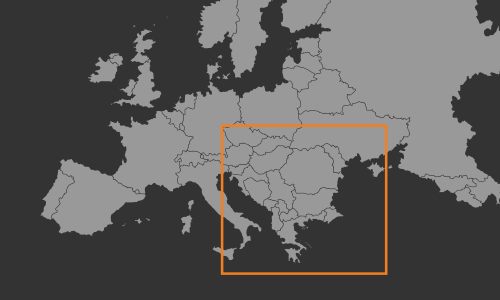
Of course, this is an exaggeration, but there is a large dose of uncomfortable truth in it. In certain regions, especially in Southeastern Europe, BIM integration happens slowly. At first glance, it does not happen at all. In Bulgaria, Romania, Greece and the Western Balkans, small and medium firms prefer traditional CAD processes and their familiar paper documents.
According to recent surveys and expert analyses, fewer than 30% of companies in the region apply BIM at the level of a whole project, and even fewer integrate it into the full lifecycle of the building.
The situation is radically different in the United Kingdom and the Scandinavian countries (Norway, Sweden, Denmark, Finland), where BIM is not just widespread — it is mandatory for public projects and deeply embedded in the private sector. In the United Kingdom, for example, BIM Level 2 has been a government requirement for all public infrastructure projects since 2016. In Scandinavia, BIM is not used only for design and construction — it is integrated into asset management, sustainable planning and smart buildings.
Learn more
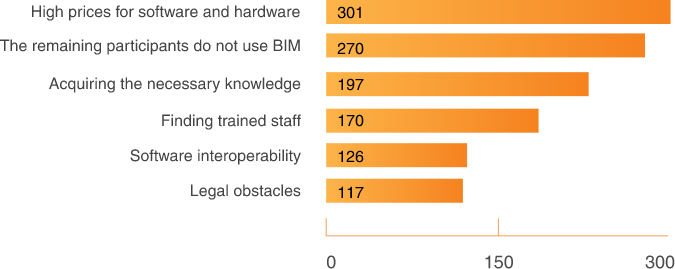
What causes the lag in our region?
The reasons vary — from lack of awareness to resistance to change, from presumed high costs to lack of engagement from the state. All of them, however, are related to misconceptions and an inability to see the bigger picture.





























 32 lamps × 200 BGN = 6,400 BGN needlessly






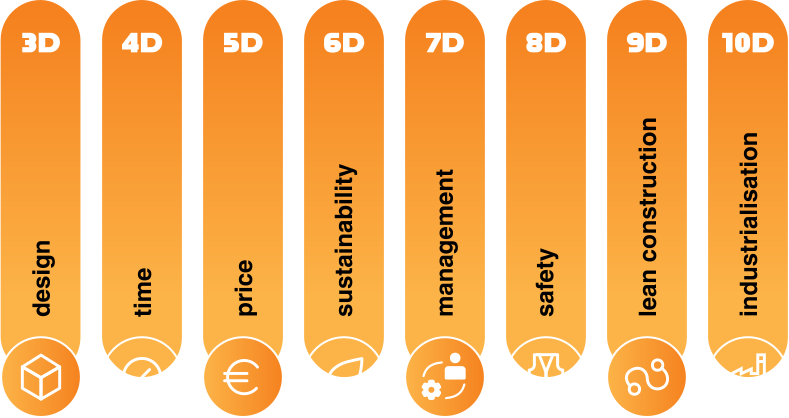
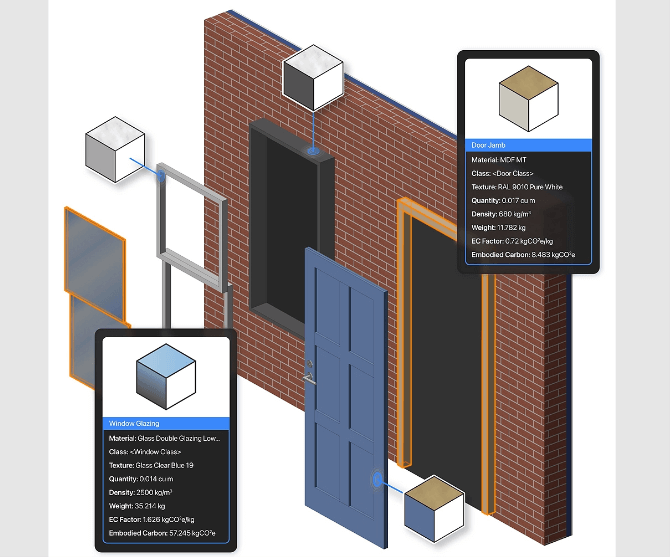
 Information management throughout the entire project lifecycle