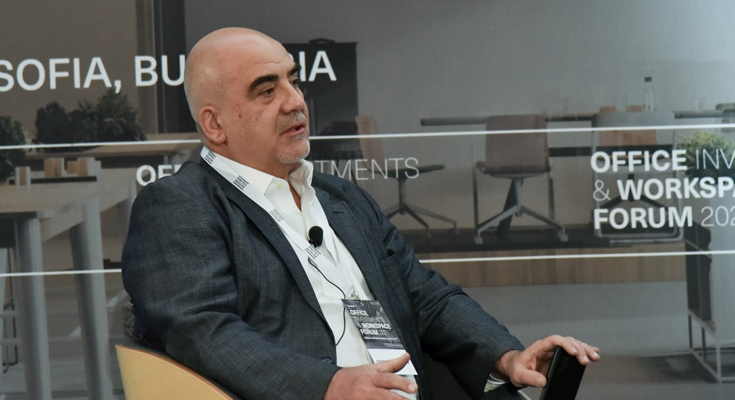
In Episode 2 of our CONSTRUCTive Conversations webinar series, “Organizational Readiness for BIM Adoption”, we explored how companies prepare for BIM implementation — from strategy and team alignment to investment, workflows, and long-term goals. In this follow-up interview, we reconnect with our webinar guest Catalin Andrei to understand how BIM adoption is evolving today in Romania and how organizations are transitioning from experimentation to structured digital transformation.
Watch the full webinar episode here:
CONSTRUCTive Conversations – Organizational Readiness for BIM Adoption
From experimentation to structured BIM implementation
When we last spoke, BIM adoption across Southeast Europe was still highly uneven. According to Catalin, Romania has seen clear progress over the past year — both in the private and public sectors.
“Since our last discussion, we have seen visible progress in Romania on both the public and private side regarding BIM adoption and organizational readiness.”
At STRABAG Romania, BIM is no longer viewed as an isolated initiative, but as part of a broader organizational transformation:
“Strategy 2030 identifies Digital Innovation as one of the key strategic topics, which means continuous investment in technology, training, skilled experts, and process development.
Clients are increasingly including BIM requirements in newly tendered projects, which is pushing both public and private organizations to further develop their internal BIM capabilities and implementation strategies.”
A major driver behind this shift is the Romanian BIM Implementation Roadmap, which targets 2028 as a milestone for mandatory BIM requirements in EU-funded projects.
“The BIM Implementation Roadmap creates a much clearer direction for the entire market and encourages companies to move from experimentation to structured implementation.”
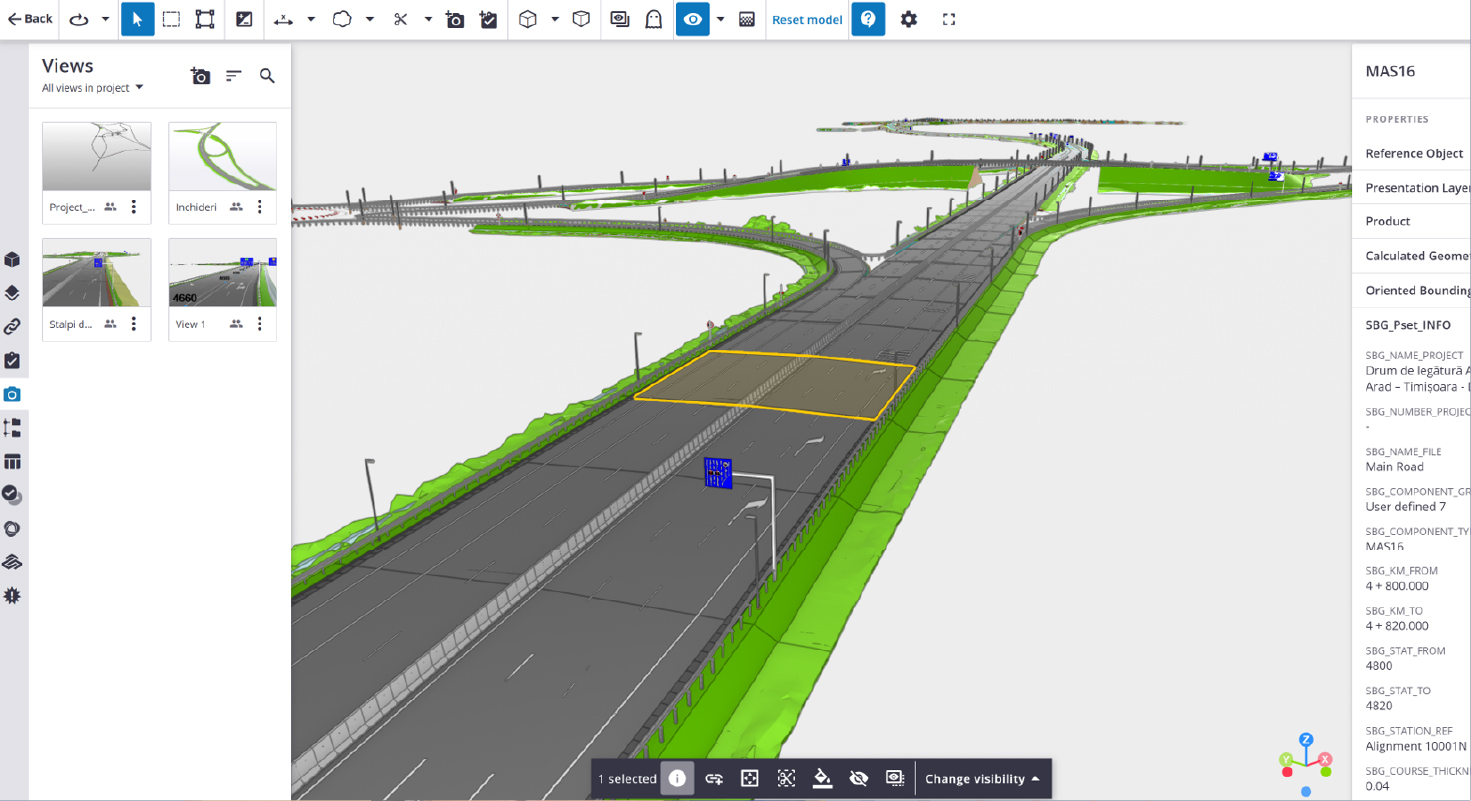
BIM as a strategic business process
Regulatory developments are also changing how organizations perceive BIM.
“In the Romanian market, we already see that the number of tenders including BIM requirements has increased significantly compared to the same period in 2025, at least doubling in volume.”
According to Catalin, companies increasingly understand that BIM is no longer optional:
“BIM is no longer a future-oriented concept, but an operational requirement.”
Many organizations have already tested BIM workflows and are now focusing on scaling and optimization rather than initial experimentation.
“At STRABAG Romania, we have a BIM implementation strategy running until the end of 2026. The process has moved beyond the experimental stage and is now positioned as a strategic component of project delivery.
We also see a growing shift in mindset across the market: BIM is increasingly viewed not only as a design tool, but as a business process that supports efficiency, quality, and decision-making.”
ISO 19650: Beyond compliance
As BIM adoption matures, standards such as ISO 19650 are becoming increasingly important for information management.
“There are companies that clearly understand the need for better information management and use the ISO 19650 framework to improve internal processes, not only to comply with project requirements.”
Catalin explains that the standard provides organizations with a structured foundation for developing their BIM processes and implementation strategies.
STRABAG Romania became the first construction company on the Romanian market certified as ISO 19650 compliant — a milestone that brought both external validation and internal organizational benefits.
“The certification process itself helped us better understand our internal workflows and identify areas where further improvement was needed.”
For Catalin, ISO 19650 serves both purposes simultaneously:
“It is currently perceived both as a strategic tool and as a compliance requirement. However, organizations that implement it correctly can significantly improve collaboration, data quality, and overall project efficiency.”
Common Data Environments and structured collaboration
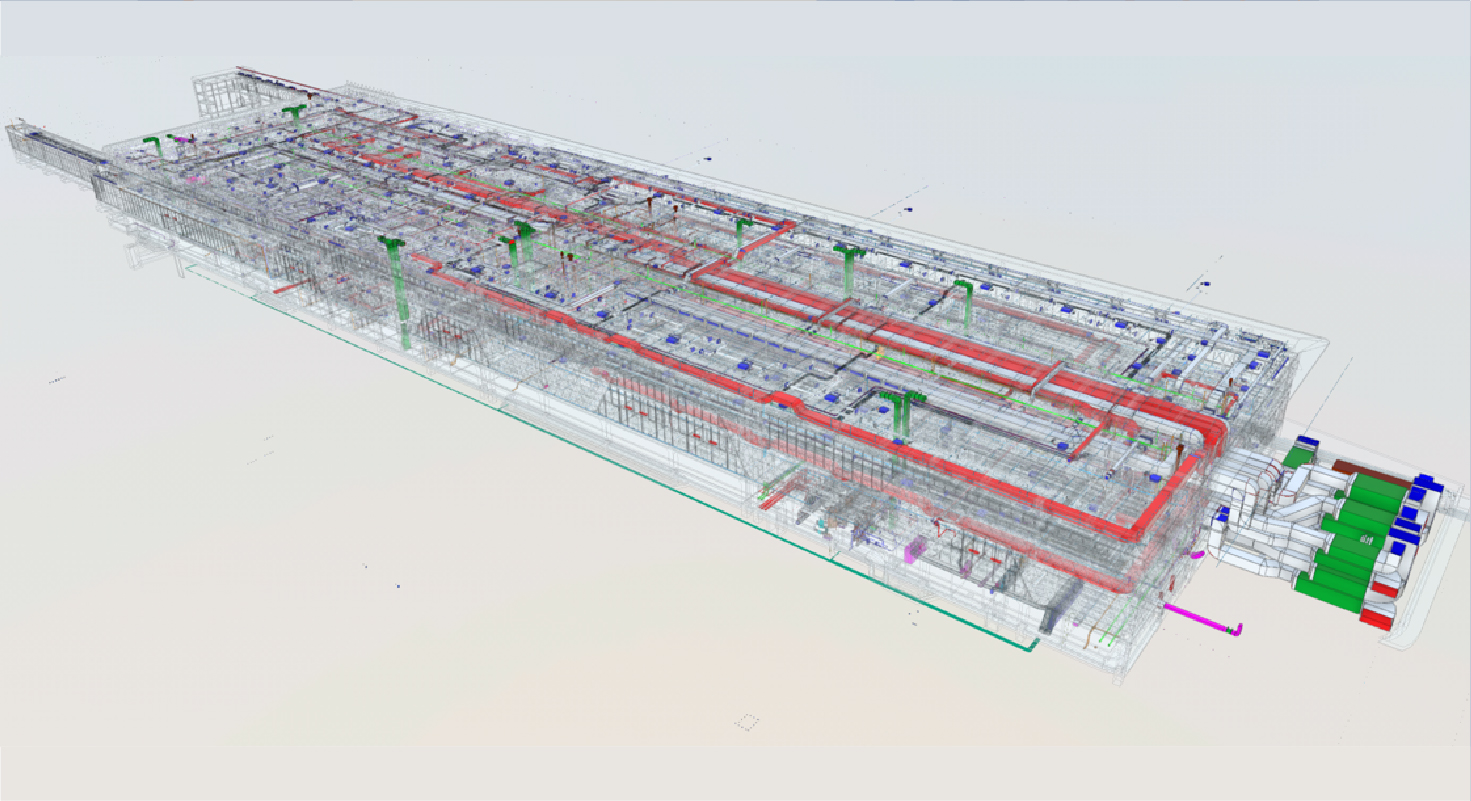
Common Data Environments (CDEs) are increasingly central to BIM implementation, especially in large multidisciplinary projects.
“One of the main challenges on construction projects is fragmented, outdated, or unstructured information, which can directly impact both time and cost.”
Catalin emphasizes that successful BIM implementation depends on teams having access to reliable and up-to-date project information at all times.
“This becomes much easier when using a single, centralized environment for storing and managing project data. It is also a process that all project stakeholders need to follow consistently when working with documents, models, and information flows.”
According to Catalin, the Romanian market is becoming increasingly aware of the importance of structured information workflows and data governance.
“We already see that CDE requirements are becoming part of the Romanian market standards.”
Public clients, in particular, are recognizing the benefits of real-time access to project information and improved coordination between stakeholders.
At STRABAG Romania, the use of a CDE is mandatory for every BIM project, with workflows adapted depending on the specific needs of infrastructure or building projects.
“This approach allows us to improve communication, coordination, traceability, and transparency across the entire project team.”
On the basis of BIM implementation
As BIM adoption expands, new professional roles are becoming increasingly important across the industry.
“It is already visible on the Romanian market that many companies have started integrating key BIM roles into their organizational structures, such as BIM Managers, BIM Coordinators, or BIM Modelers.”
Catalin expects this trend to accelerate further as BIM-related professions become formally recognized within the national framework and more public tenders begin requiring BIM expertise.
Within STRABAG Romania, dedicated BIM roles, responsibilities, and training programs are already fully integrated into the organization.
But for Catalin, technology alone is never enough: “Ultimately, BIM implementation is fundamentally about people.
Successful implementation requires qualified professionals who can work closely with project and site teams, support collaboration, and help integrate digital processes into day-to-day project execution.
Technology alone is not enough — the real value comes from combining the right tools with the right people and the right processes.”
About the Expert
Catalin Andrei is Head of BIM Management RO/MD at STRABAG Romania. With extensive experience in BIM implementation, information management, and digital construction processes, he focuses on integrating BIM into large-scale project delivery and organizational workflows. His work combines technical expertise, process optimization, and strategic digital transformation within the construction sector.
About STRABAG Romania
STRABAG Romania is one of the leading construction companies in the region, delivering complex infrastructure and building projects across Romania and Moldova. The company actively invests in digital innovation, BIM implementation, and process standardization as part of its long-term development strategy, with a strong focus on collaboration, efficiency, and information management.
Explore more expert insights from the CONSTRUCTive Conversations series here:
CONSTRUCTive Conversations Webinars