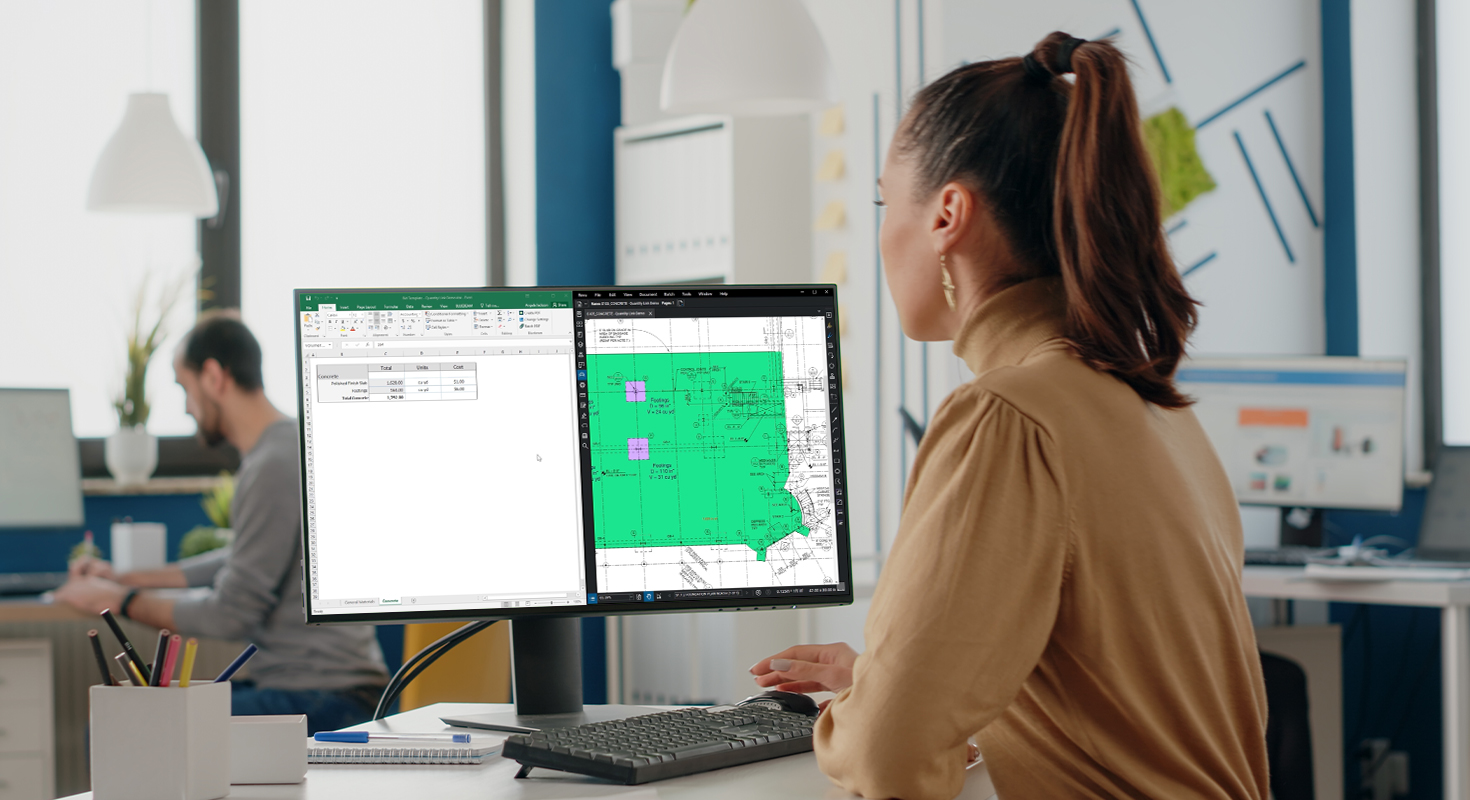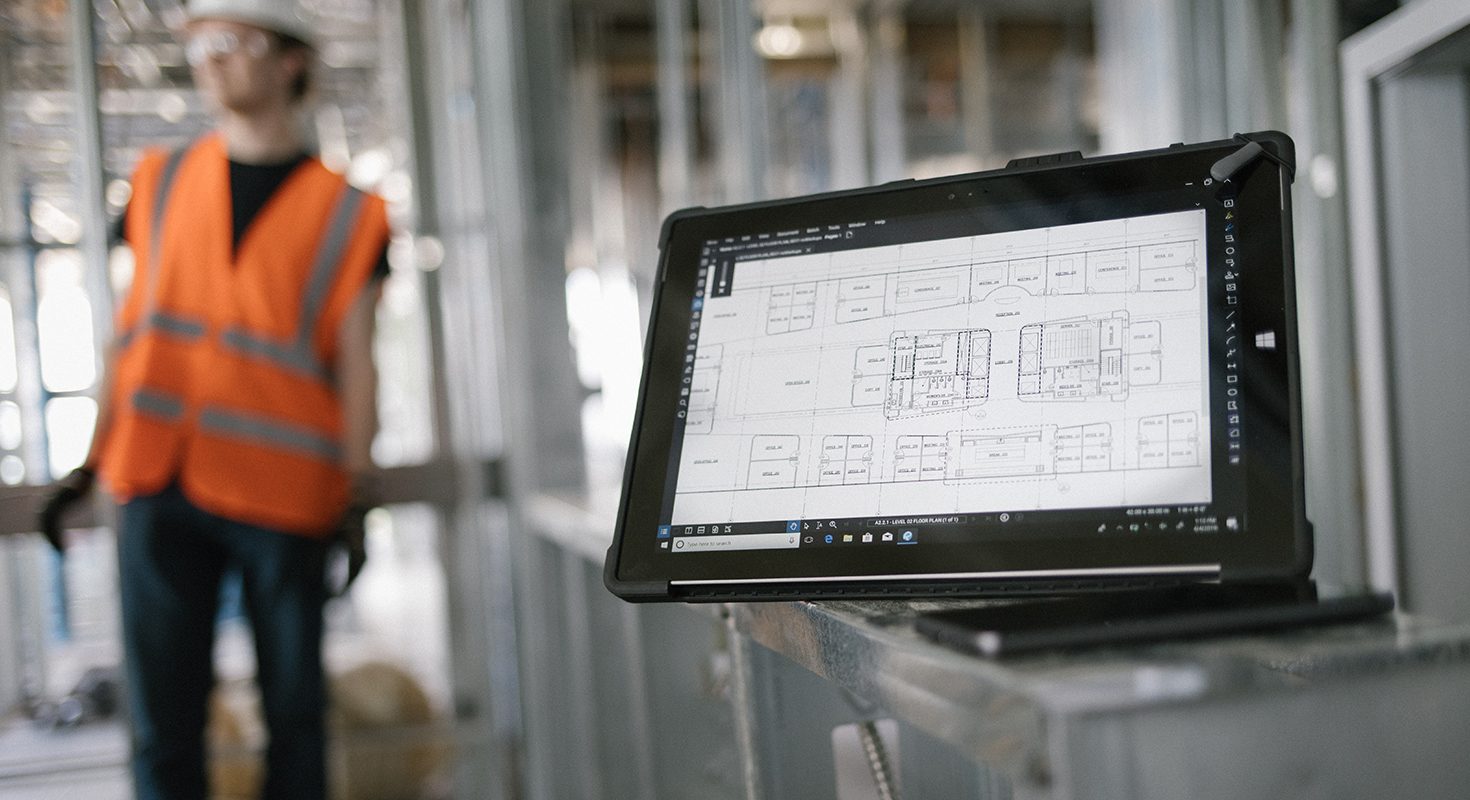
From faster approvals to freeing up valuable storage space, moving from paper to digital processes enables public sector organisations to handle building activity more quickly and efficiently than traditional paper-based workflows ever allowed.
How is technology transforming construction project workflows?
The global shift toward digital working is well underway. However, compared to many other industries, construction has been slower to adopt digital tools and processes.
As some observers note, for many professionals in the building sector—particularly those with longer careers—digital technology is often seen as unfamiliar territory rather than a practical, everyday working approach.
These perceptions need to change. Organisations stand to gain significant benefits by carrying out more of their daily tasks digitally, and these advantages extend to all stakeholders across the industry.
In this series of articles, Built explores how different aspects of digitalisation can support public sector organisations in managing development permits more effectively.
This first article focuses on how replacing paper plans with digital project documentation can improve the submission, review, revision, and approval of applications required to get construction projects underway.
Embracing digital transformation in public sector planning
Public sector organisations worldwide deliver essential services to help communities make the most of the places where people live and work.
What these organisations also share is constant pressure on resources. Staffing levels are stretched, budgets are constrained, and deadlines are increasingly demanding.

Faster approvals
In the context of public sector planning and approvals, local authorities must manage a high volume of building applications while ensuring that every submission is reviewed carefully and thoroughly.
Plan changes are inevitable and often affect delivery timelines. In response to this, and to reduce the time required to prepare, review, and approve plans, the construction sector has increasingly moved physical documentation into the digital environment.
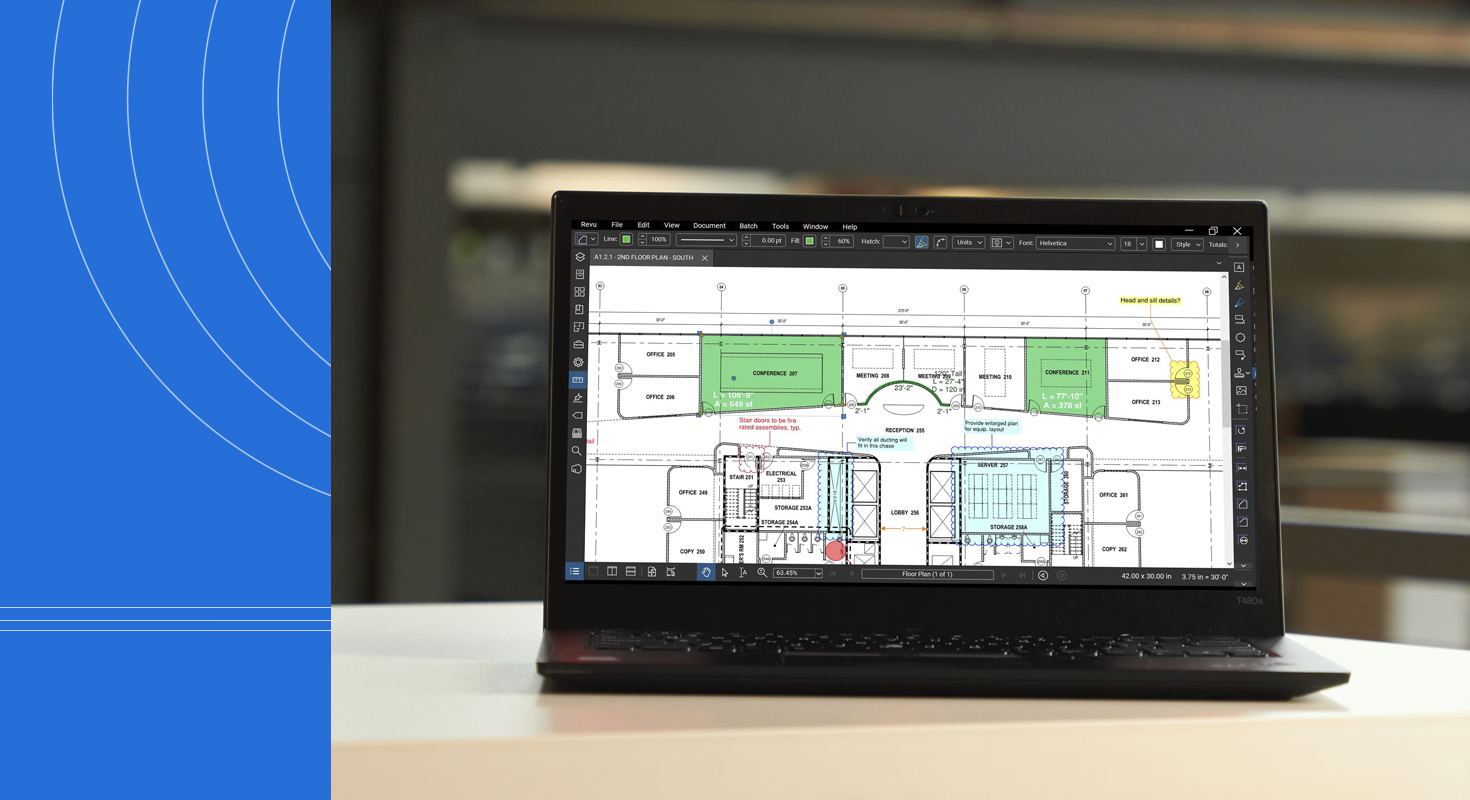
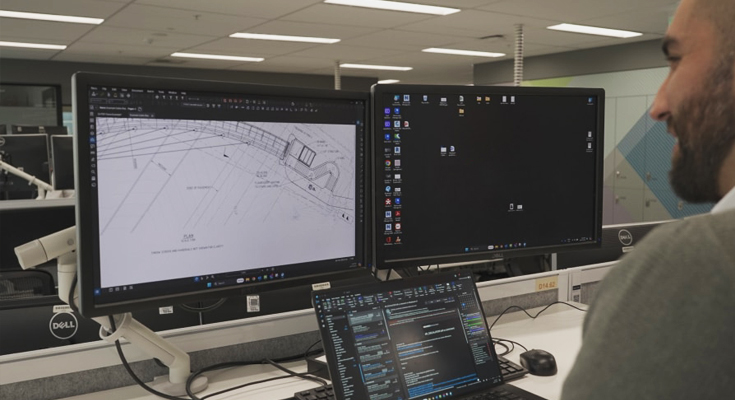
Where projects once relied on extensive paper documentation, digital plans can now be created and updated quickly and efficiently. Relevant authorities are also able to review and confirm changes online.
This digital approach delivers clear time and cost savings. Projects can be designed, amended, reviewed, and approved more quickly, enabling construction to begin sooner and increasing the likelihood of achieving high-quality outcomes.
Space saving
Public sector departments in both the United States and the United Kingdom that have transitioned from paper-based systems to digital project plans have identified another important benefit: reduced storage requirements.
Charlie Mendenhall, supervising building inspector for local plan reviews in Merced County, California, explained that before adopting digital processes, his department faced two major challenges. One was a lack of physical space to store paper plans.
More critically, the department experienced delays and inefficiencies caused by routing plans through four different departments located across three buildings, all several miles apart.
“We had two ways to route plans and they both had drawbacks,” Mendenhall said. “The first was to send a set to each department and have them do their reviews. That resulted in corrections and revisions being sent and received by multiple people and having three or four sets of approved plans which did not match.
“The procedure used for most of my time here was to keep reviewing until we had an approved set, then move that to the next department, until all departments had finally approved it. It could take anywhere from weeks to months.”
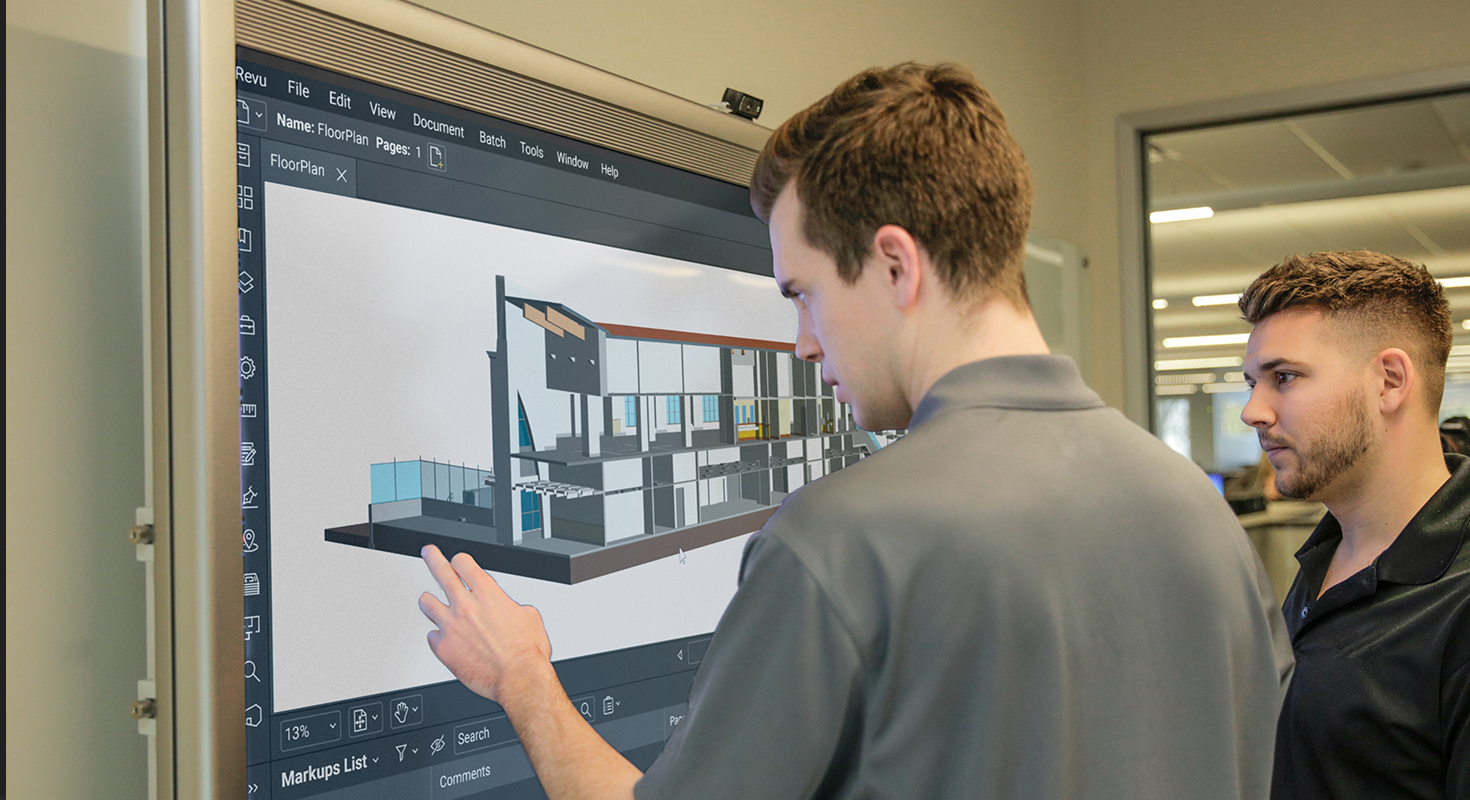
Before switching to a digital system, the department’s standard response time for an initial review after submission ranged from four to eight weeks. With Bluebeam, that timeframe has been reduced to a maximum of 30 days—and in some cases as few as 14 days—for all departments to complete their initial review and either issue a building permit or send the required corrections.