Landscape architecture is increasingly establishing itself as a strategic instrument for climate change adaptation. In 2026, sustainability is no longer an additional layer to a project, but the primary framework within which it is conceived, evaluated, and managed. In the coming months, the dynamics of the sector will be shaped mainly by regulations, measurable environmental targets, and the integration of digital tools. Designers will operate in an environment of growing expectations — from clients, institutions, and professional organizations.
Here is what you need to know about these trends and how they will affect the work of hundreds of thousands of professionals worldwide.
Climate Policies Shape Professional Standards
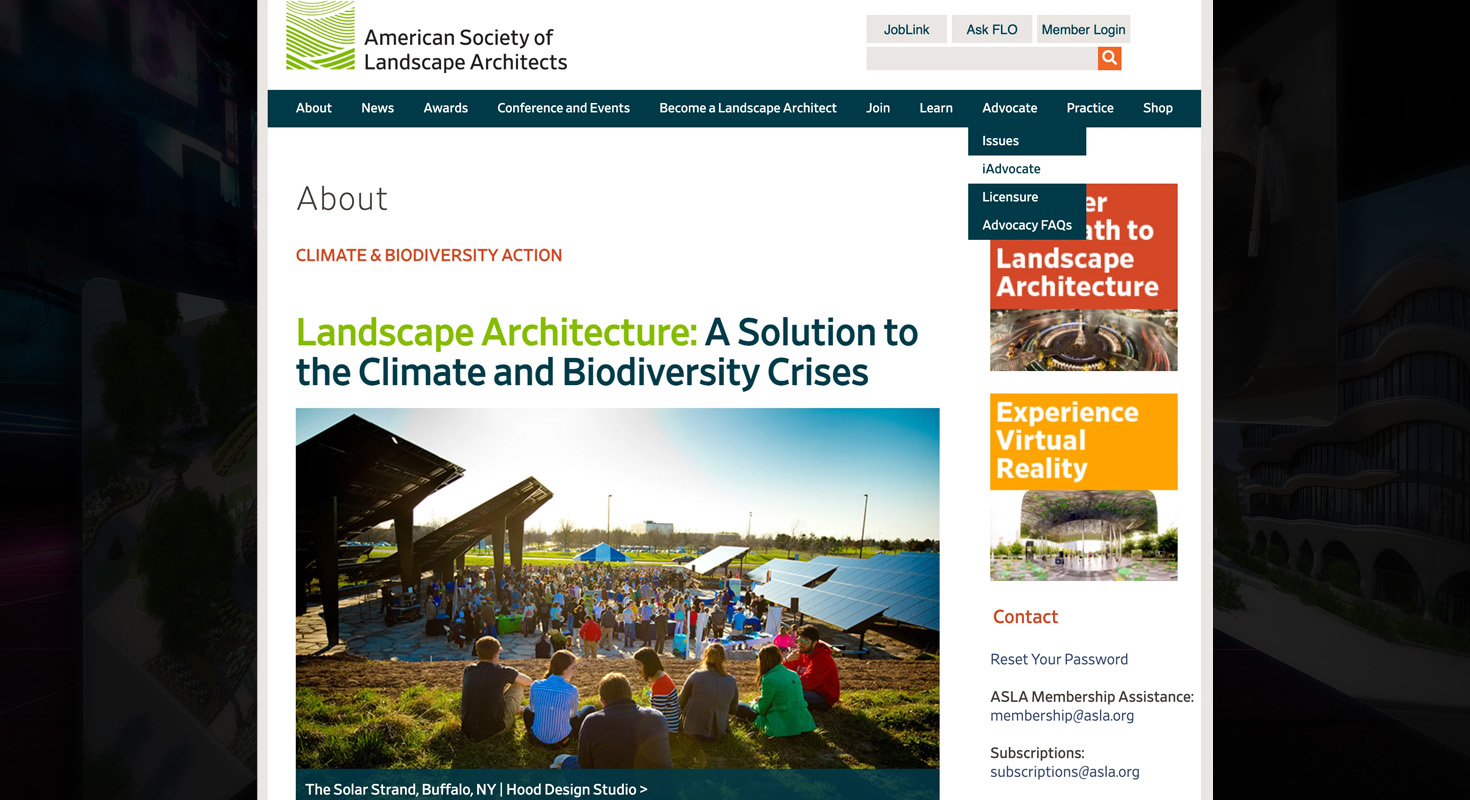
Through its Climate & Biodiversity Action Plan, the American Society of Landscape Architects clearly sets an ambitious direction for development. The overarching goal is that by 2040, projects will contribute to emissions reduction, increased biodiversity, and active carbon balance. This requires architectural studios to consider the full lifecycle of each project — from material selection to long-term impacts on ecosystems.
In the United Kingdom, the policy framework is equally decisive. The Carbon Budget and Growth Delivery Plan (CBGDP), published in 2025, outlines the pathway to net-zero emissions by 2050, while the mandatory Biodiversity Net Gain (BNG) mechanism requires projects to demonstrate measurable improvement in the ecological condition of the site. This is transforming the way investment proposals are planned, evaluated, and approved.
Professional organizations such as the Landscape Institute, the Canadian Association of Landscape Architects, and the Japan Landscape Architects Union are also strengthening their commitment to measurable climate targets. Sustainable design is gradually becoming institutionalized not as a recommendation, but as an absolute professional standard.
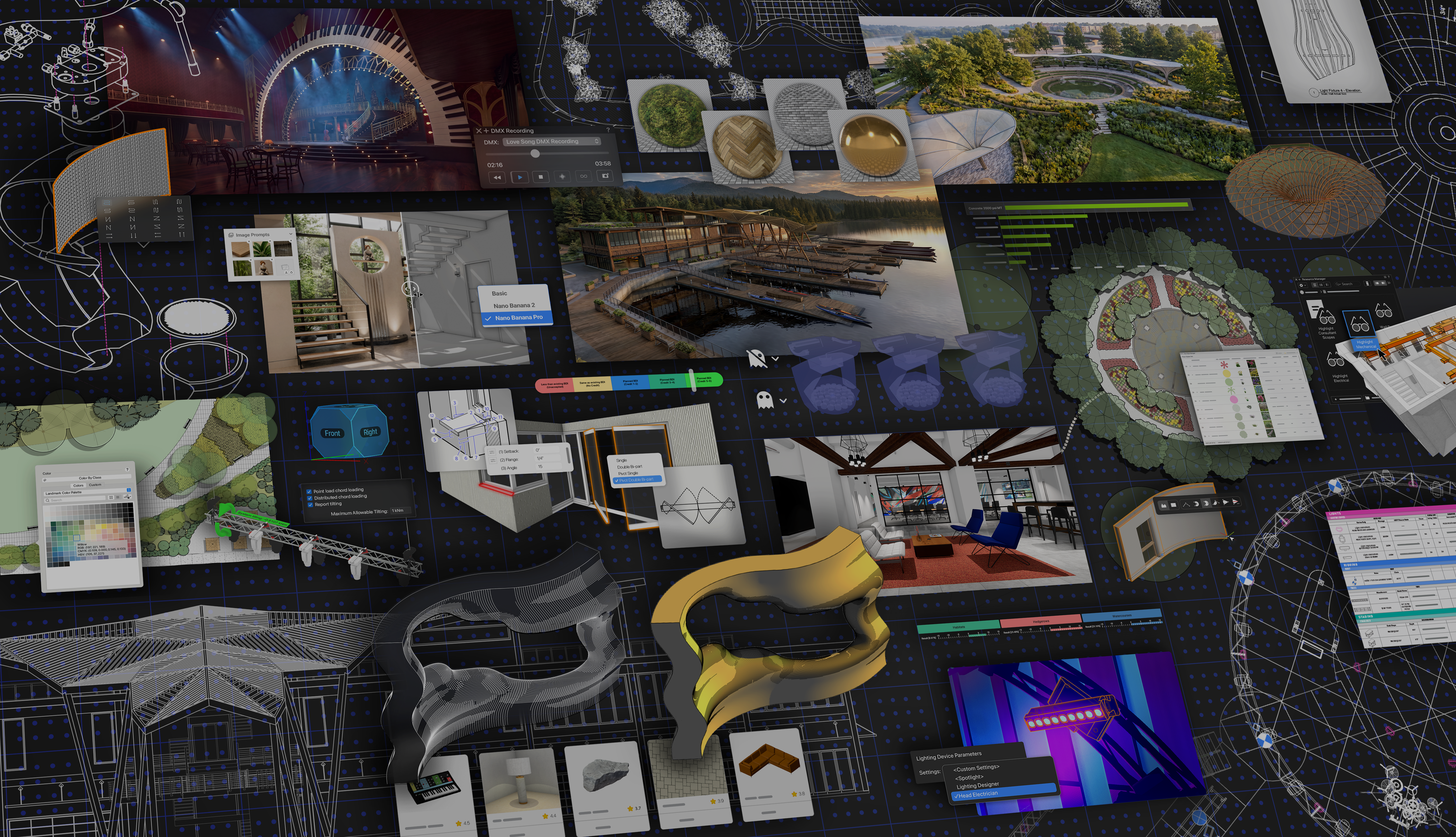
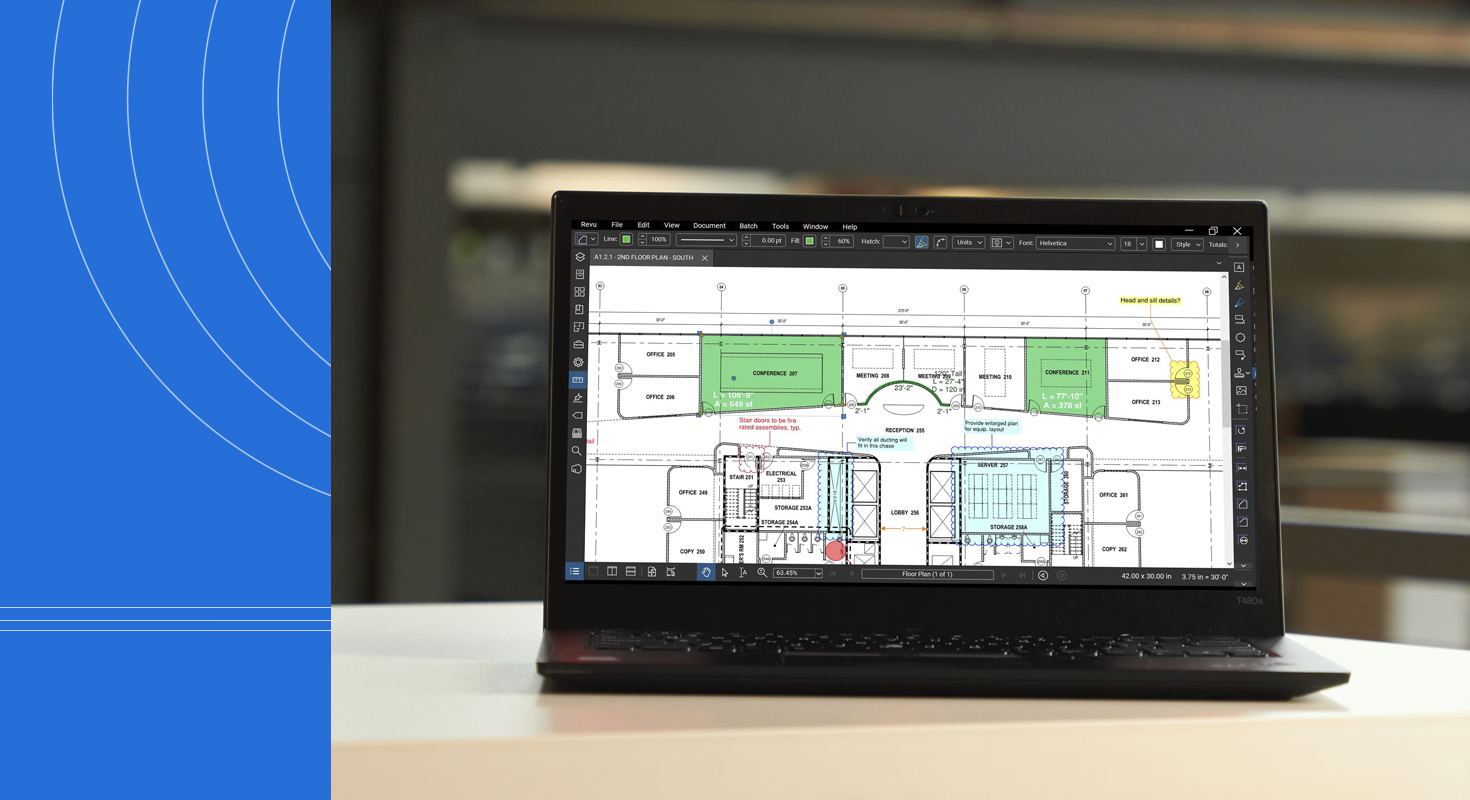
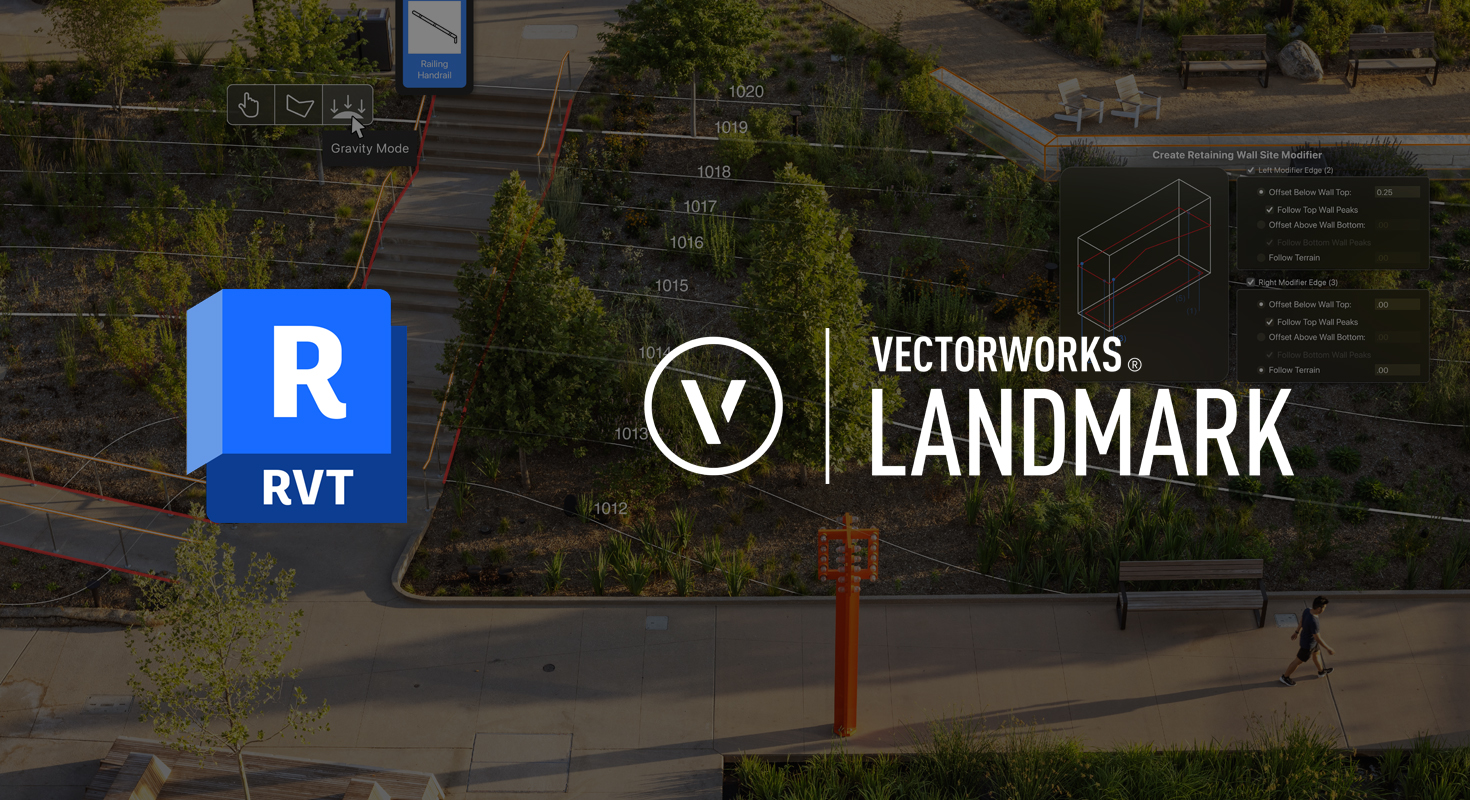
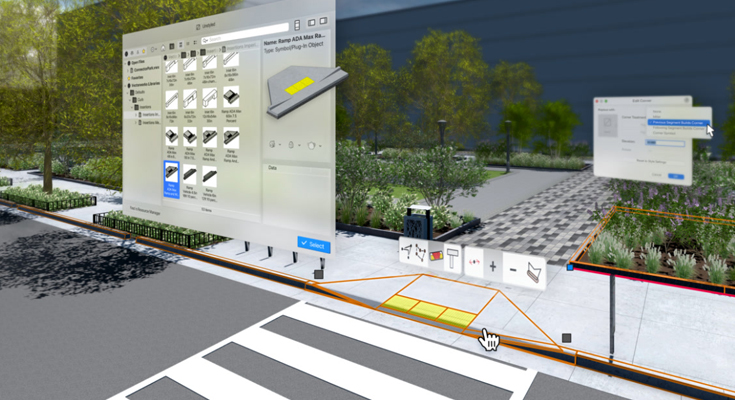
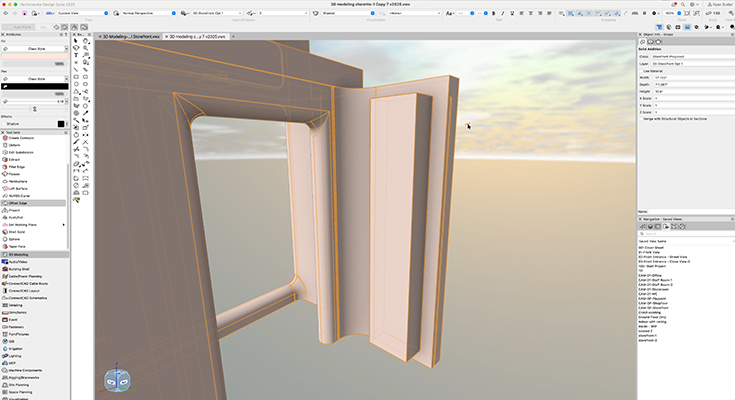
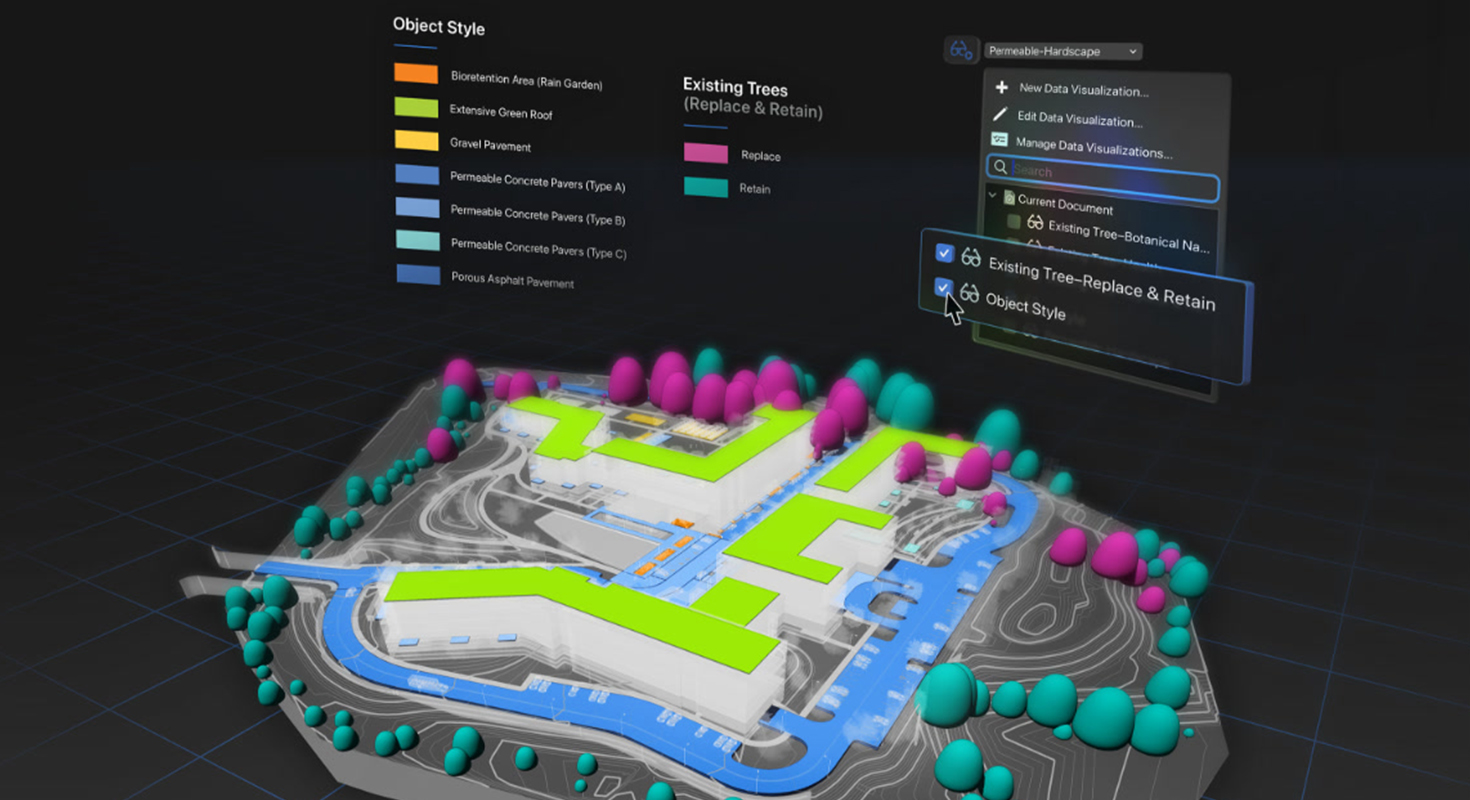
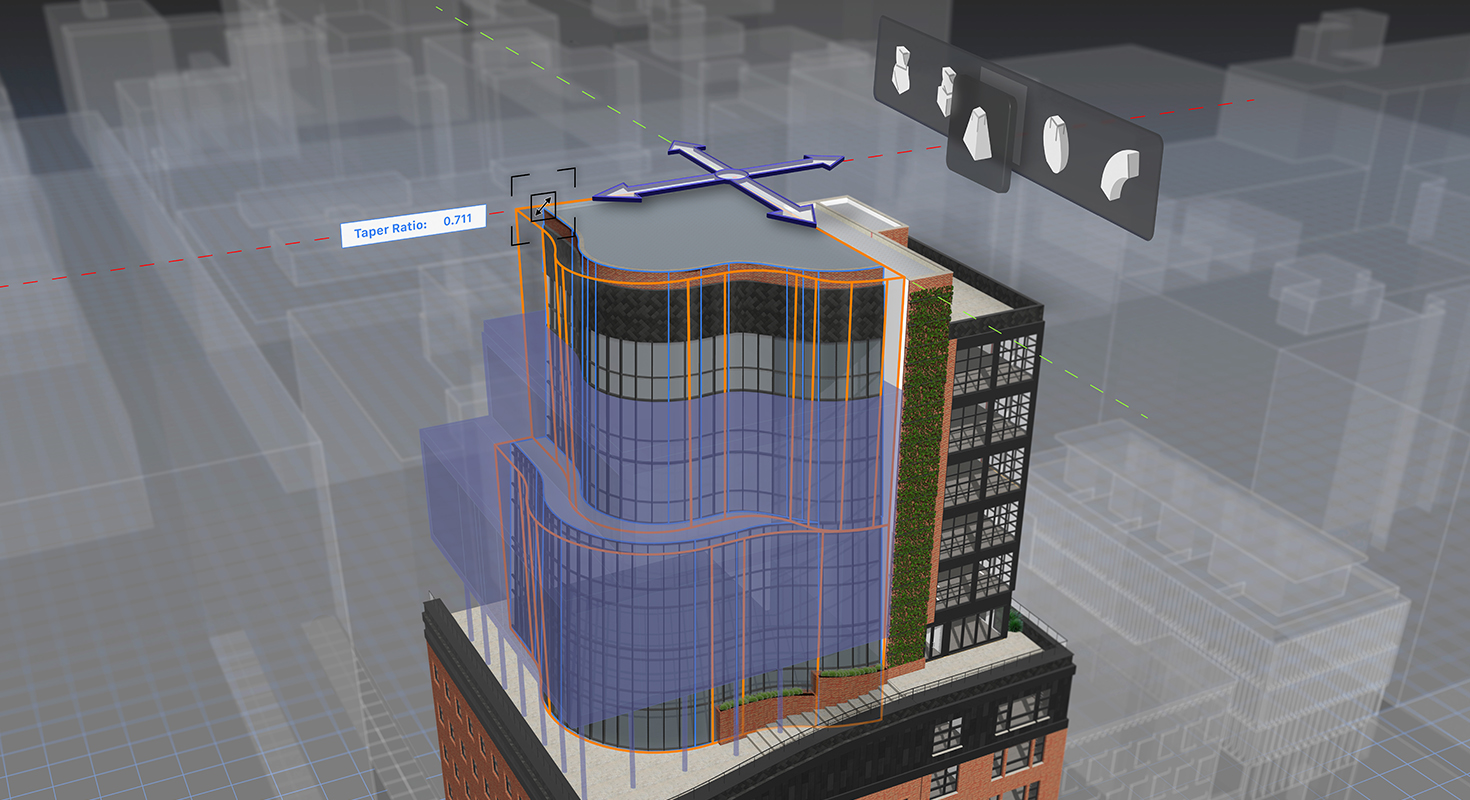
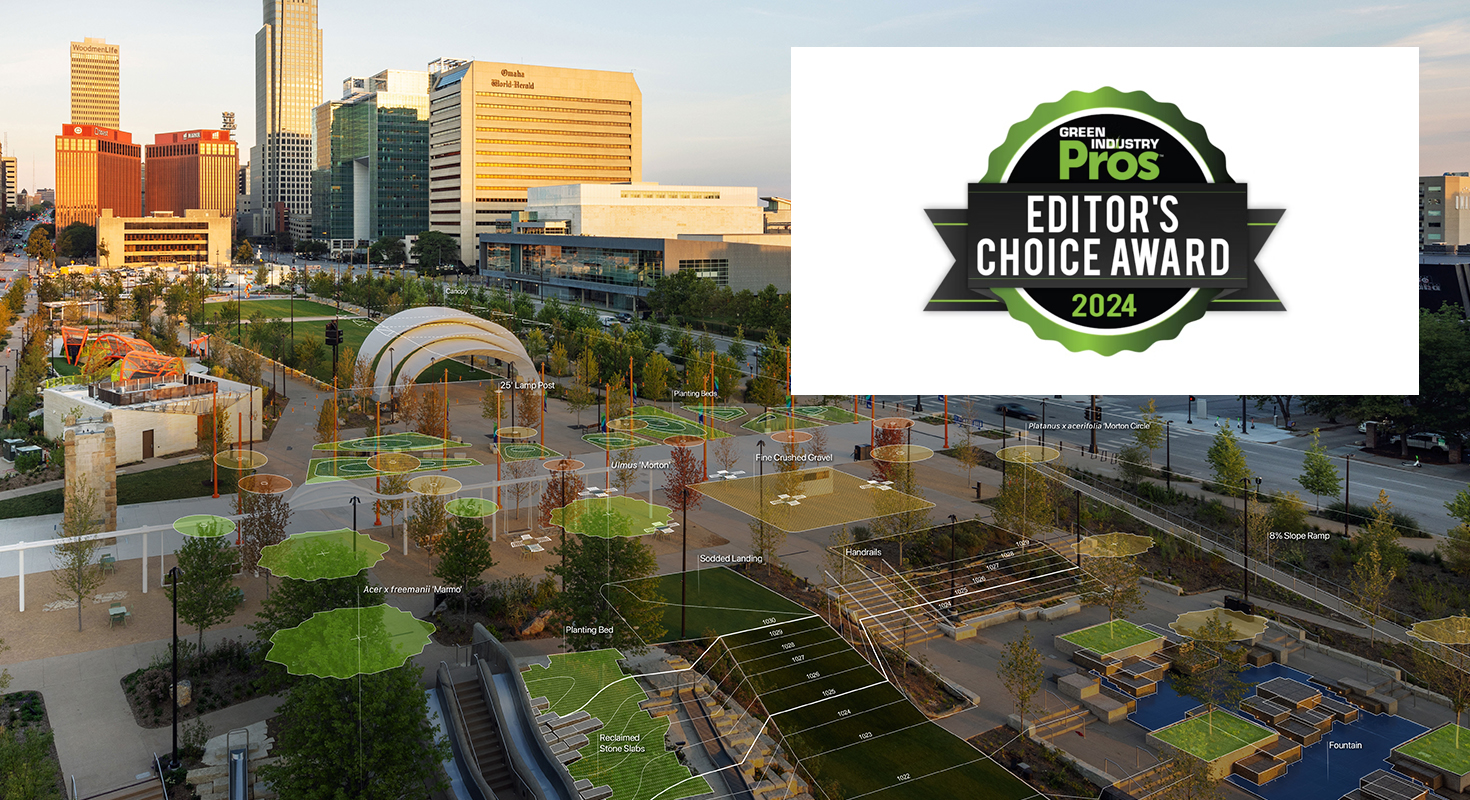
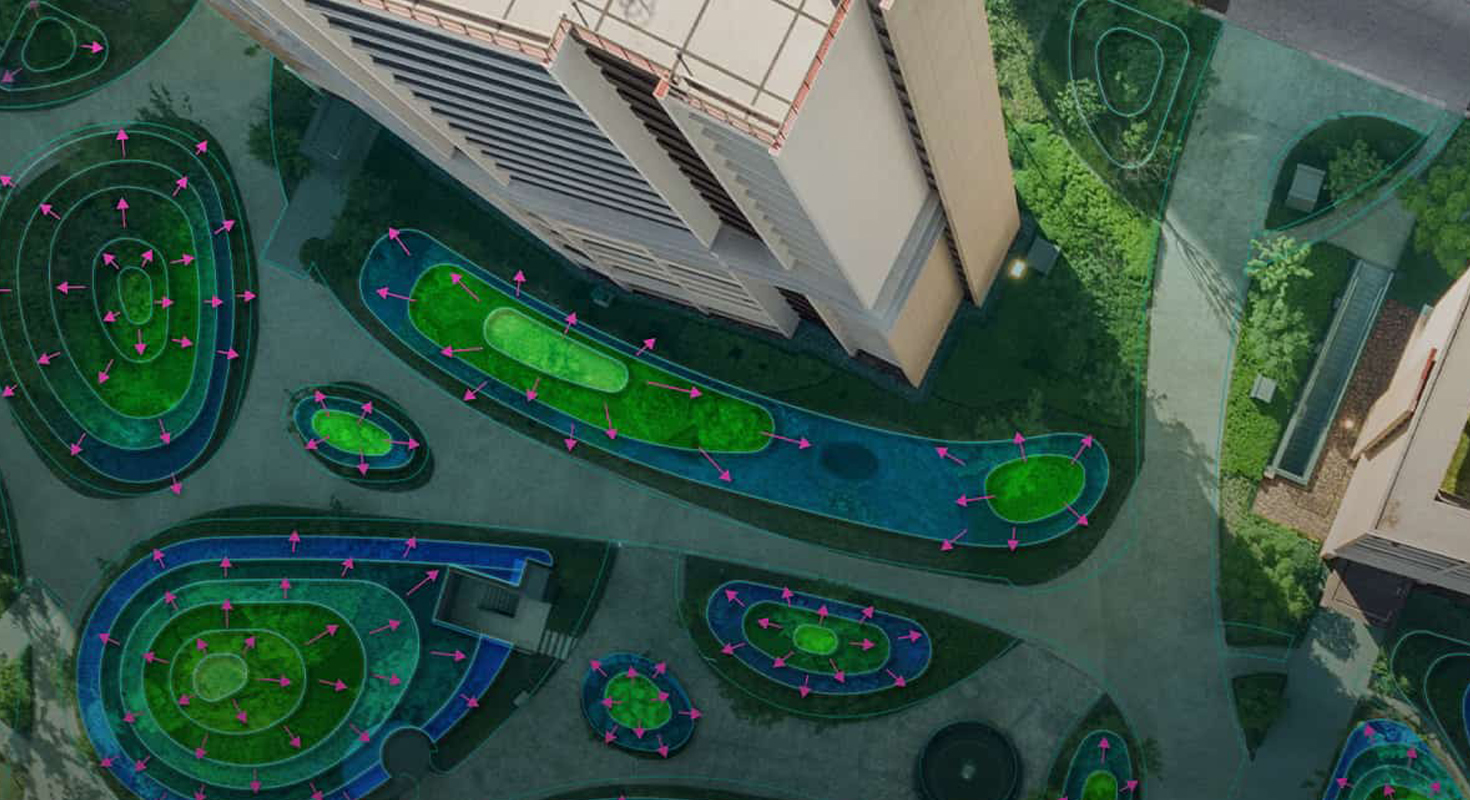
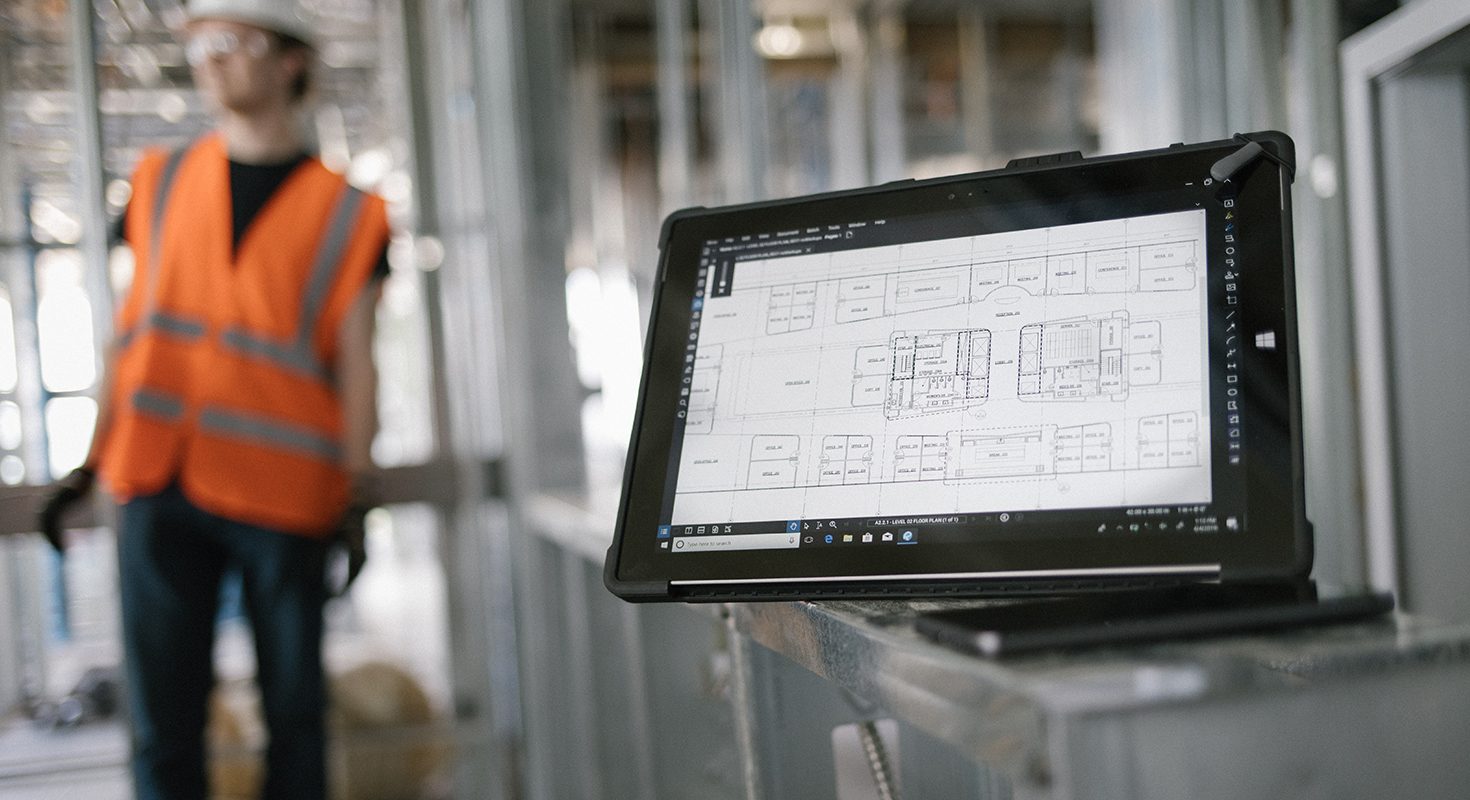
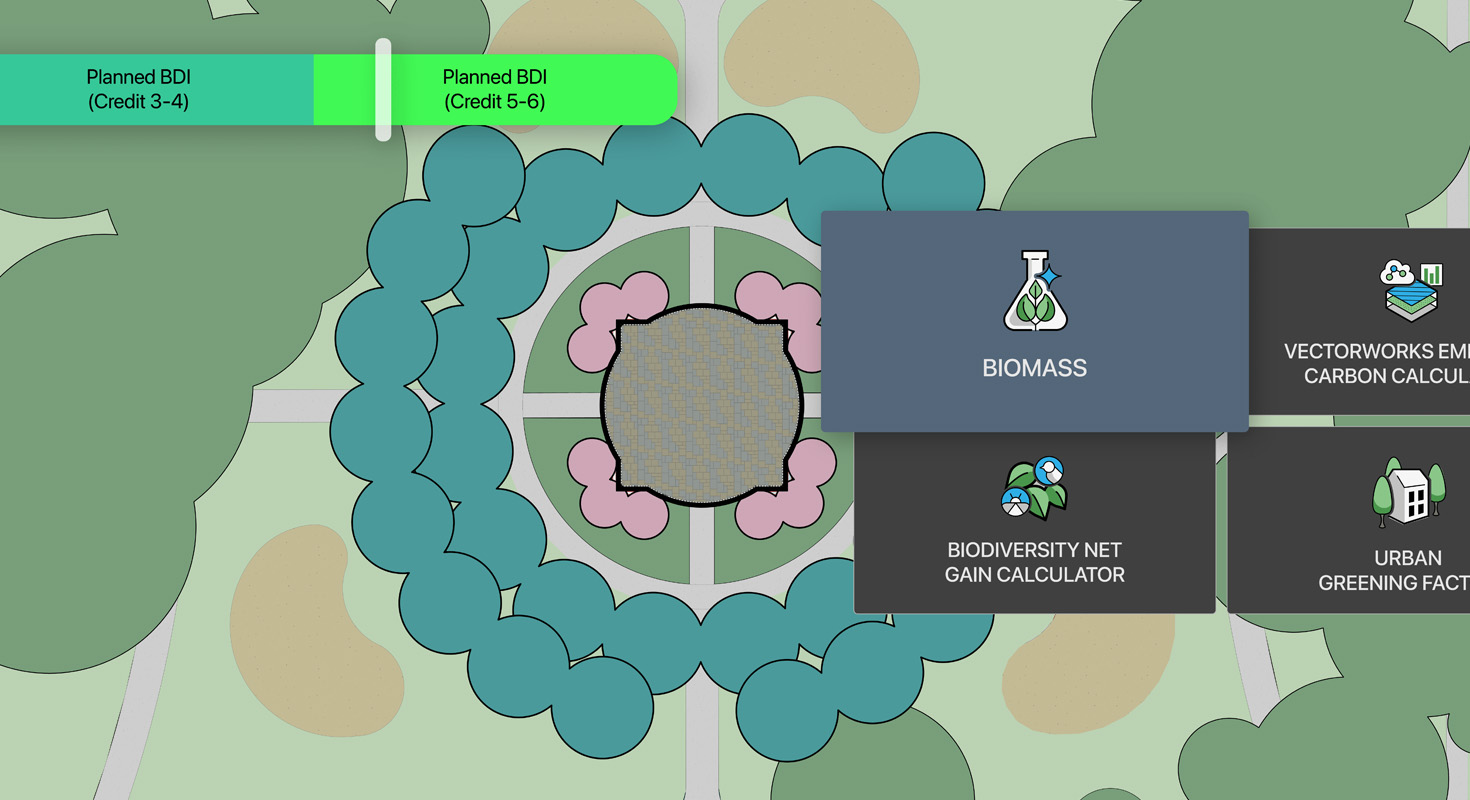
In this environment, digital solutions are turning into strategic tools. Software systems such as Vectorworks and the specialized solution Vectorworks Landmark enable more precise control over quantities, materials, and environmental indicators. Features such as the Sustainability Dashboard allow designers to analyze sustainability from the earliest stages and make informed, data-driven decisions rather than relying solely on conceptual intentions.
The Ecosystem-Based Approach Replaces Traditional Practices
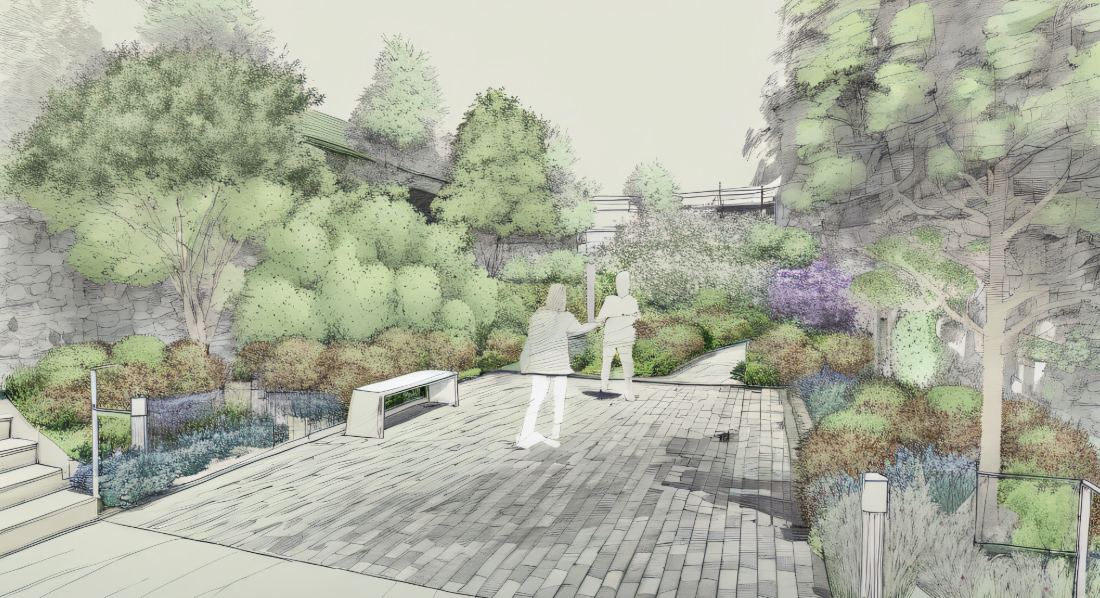
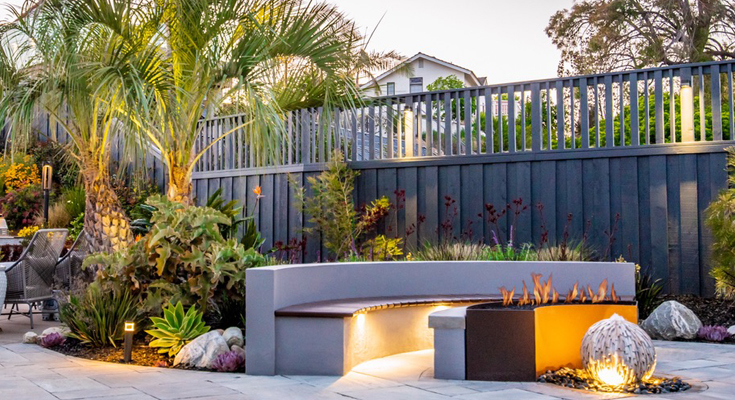
Design increasingly begins with ecological context. The use of native and climate-adapted plant species is becoming a professional standard, as it ensures greater climate resilience, lower maintenance requirements, and a longer lifecycle for outdoor spaces. Interest in material reuse is also growing. Instead of sourcing newly extracted stone or timber, more projects are integrating existing resources, improving the overall environmental profile.
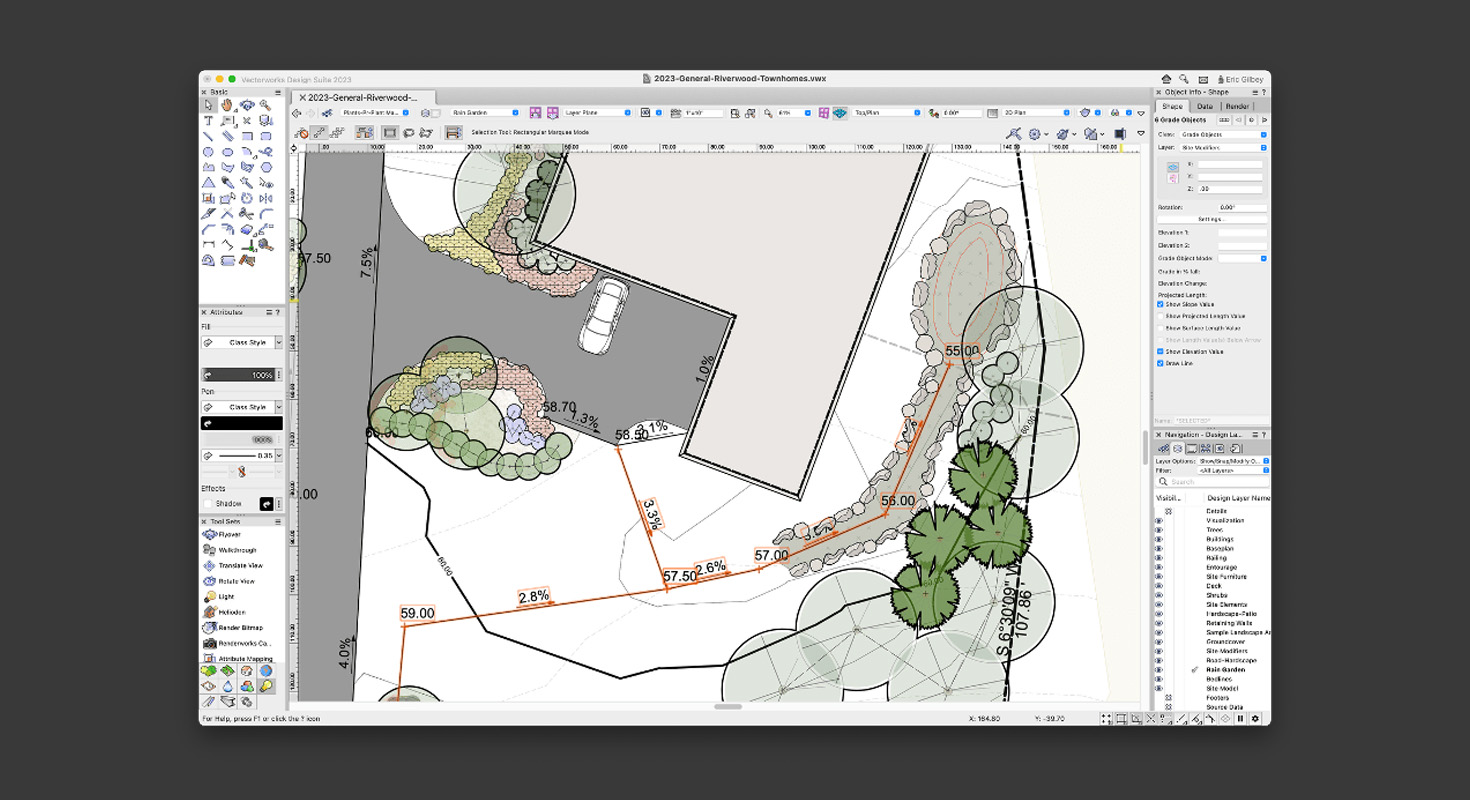
Water management is likewise becoming a core component of the design concept. As extreme climate events intensify — heavy rainfall, flooding, and drought — solutions such as rain gardens, bioswales, and on-site water retention and infiltration systems are now regarded as fundamental infrastructure rather than supplementary design elements.
From Design to Measurable Performance
Sensor technologies are gradually entering mainstream practice. Monitoring of soil moisture, water consumption, and microclimatic indicators is beginning to be integrated into real-world projects.
Although adoption is still in its early stages, the potential is clear. The combination of sustainable material choices and performance tracking over time enables more accurate assessment of effectiveness. Landscape architecture is steadily shifting from intuition-based to data-driven design, where outcomes can be precisely measured and systematically optimized.
The Urban Environment as a Mechanism for Climate Adaptation
Concepts such as the “sponge city” are gaining international momentum, offering a model in which water is retained, filtered, and reused as a resource rather than mechanically diverted away from the site.
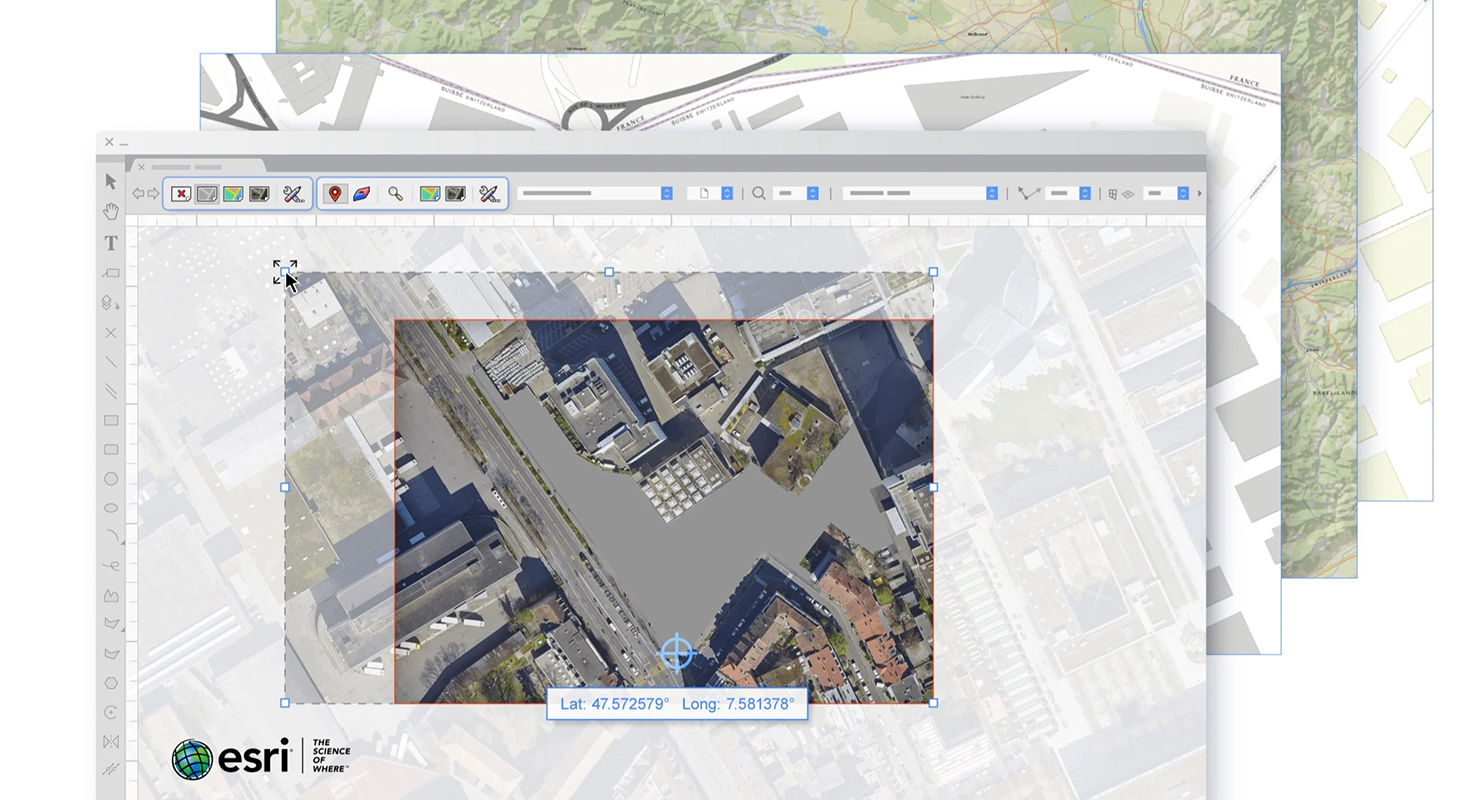
At the same time, the use of drones and thermal mapping to analyze urban heat islands is expanding. Through collaboration with specialized companies, designers can respond more precisely to climate data and develop targeted cooling strategies through green infrastructure.
From Sustainable Goals to New Professional Norms
The trends for 2026 point to a clear transformation: landscape architecture is expanding its role beyond aesthetics and positioning itself as a key factor in the climate adaptation of cities. The combination of ecological expertise, digital tools, and data analysis is creating a new working model — more integrated, more precise, and oriented toward long-term outcomes.